


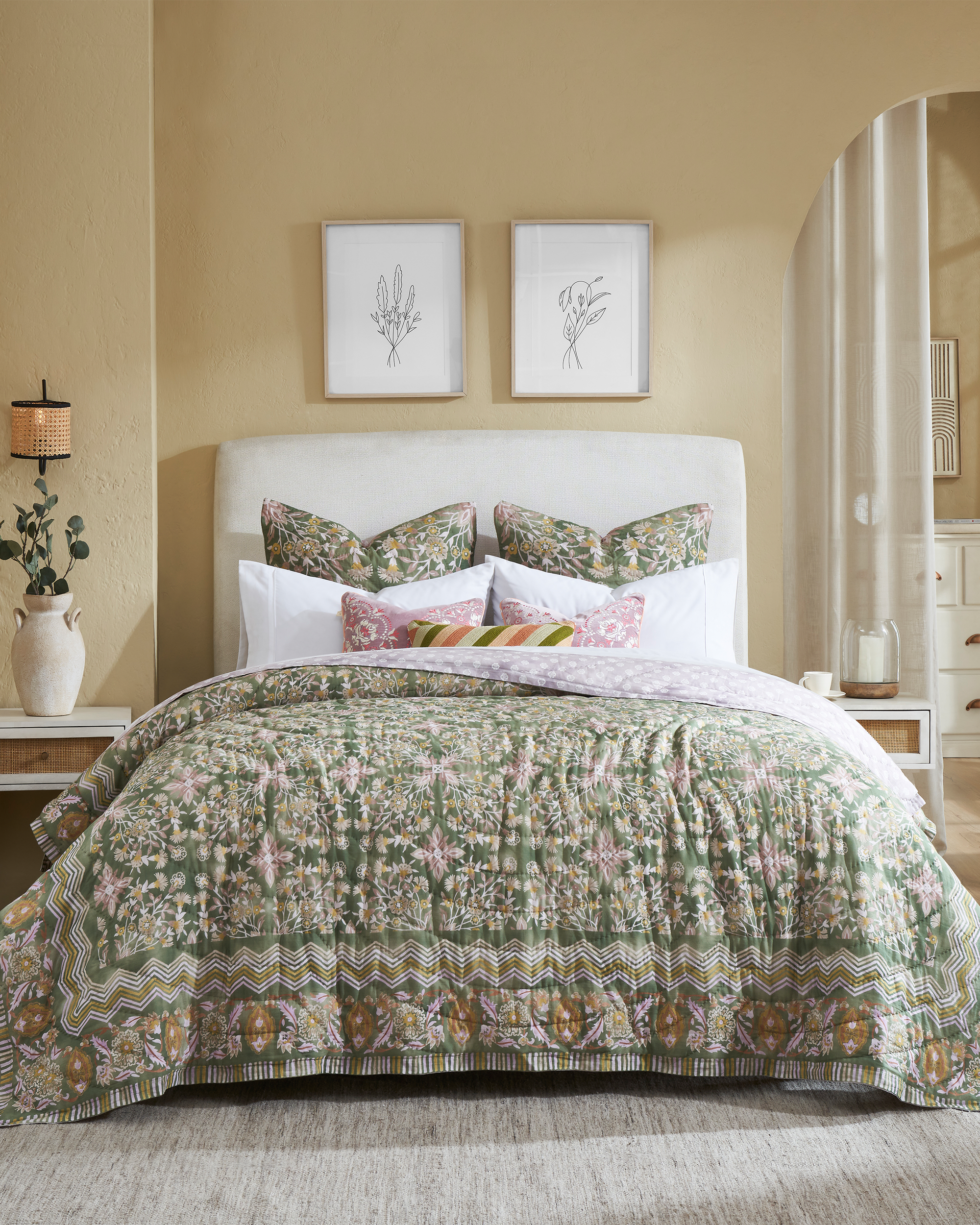
There was a time when every home looked warm, layered, and full of life.
Then came the phase of all-white walls, beige sofas, and “perfect” Pinterest spaces.
They looked beautiful. But somewhere along the way, homes started to feel a little… empty.
Today, that’s changing.
More and more Indian homes are slowly moving back to colour. Not in a loud or overwhelming way, but in a way that feels personal, comforting, and lived-in.
Why Are Homes Moving Back to Colour?
Because people are realising something simple.
A home is not meant to look like a catalogue. It’s meant to feel like a space you belong to.
Neutral homes can feel calm, but when everything starts to look the same, they lose personality. Colour brings that back.
It adds:
-
Warmth
-
Depth
-
A sense of individuality
And most importantly, it makes a space feel like yours.
The Shift: From Perfect to Personal
Earlier, the focus was on getting everything “right”.
Matching furniture. Clean palettes. Minimal decor.
Now, the focus is shifting to how a home feels.
A slightly undone bed. A printed quilt. Cushions that don’t perfectly match—but somehow work together.
This shift is less about trends and more about comfort.
It’s about creating a home you enjoy living in every day.
Why Colour Feels Right for Indian Homes
Indian homes have always had colour. It comes naturally to us.
From textiles to festivals to everyday objects—colour has always been a part of how we live.
What’s changing now is how we use it.
Instead of fully painted walls or heavy decor, colour is being introduced in softer, more flexible ways:
-
Through fabrics
-
Through layering
-
Through small, intentional choices
This makes it easier to experiment without overwhelming the space.
How to Add Colour Without It Feeling Too Much
This is where most people hesitate.
The idea isn’t to change everything. It’s to start small and build gradually.
Here are a few ways to do it:
1. Start with One Element
A quilt, a set of cushions, or even a table runner can shift the entire mood of a room.
You don’t need to redo your space—just add one strong element.
2. Keep Your Base Neutral
If your furniture and walls are neutral, colour becomes easier to introduce.
It stands out without feeling chaotic.
3. Work Within a Colour Family
Instead of mixing too many shades, stay within a palette.
For example:
-
Blues and greens
-
Rust and mustard
-
Soft pastels
This keeps the space cohesive.
4. Layer, Don’t Match
Homes feel more real when things aren’t perfectly matched.
Layer different prints, textures, and tones.
That’s where personality comes in.
5. Use Textiles as Your Medium
Textiles are the easiest way to experiment.
They’re:
-
Easy to change
-
Low commitment
-
High impact
A quilt, cushions, or even towels can bring in colour without making the space feel permanent.
It’s Not About Adding Colour. It’s About Adding Feeling.
At the end of the day, colour is not just visual.
It changes how a space feels.
A room with a bit of warmth, softness, and detail feels more inviting. More lived-in. More comfortable.
And that’s really what most homes are moving towards today.
Not perfection.
Just a space that feels right.
Final Thought
You don’t have to follow a trend.
You just have to create a home that feels like you.
Sometimes, all it takes is one thoughtful addition to change everything.


